What a Rewarding Year 2016 is So Far!
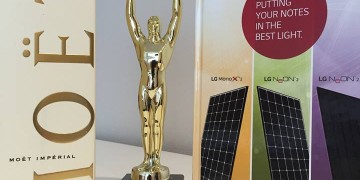
It’s been such a successful start to 2016 for our team here at Class Energy, we thought we’d share our great news with you, our customers!
The beginning of this year has seen us be fortunate enough to have been granted the prestigious Which? Trusted Trader status- in fact we’ve been so excited and pleased for being recognised as a reliable service provider with a top notch track record for customer satisfaction and care, that you may have noticed us putting the Which? Trusted Trader logo on our website and promotional material!
 However being rewarded for delivering an honest service to a high standard isn’t just about being able to plaster Which?’s esteemed logo on our branding. Which? are the UK’s largest consumer body and strive to give unbiased transparent reviews on products and services in a range of different industries for the general public, enabling them to make informed decisions on what companies to use and items to buy. Securing the trademark wasn’t just down to good fortune either. We were visited by a Which? assessor, our business thoroughly examined and only when Which? were assured that we matched their criteria, did we get awarded the Trusted Trader mark.
You can check out our individual company profile page on Which? here!

More Changes to Renewable Heat Incentive
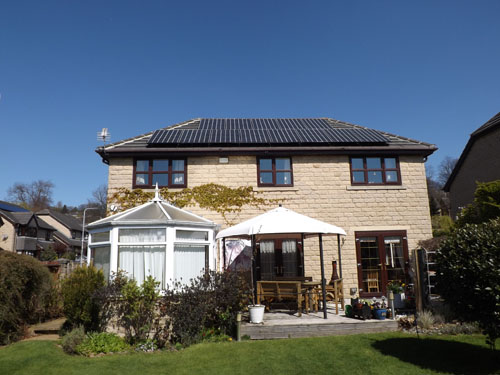
Solar thermal panels could be the latest victim as the UK Government has announced yet another blow to the solar industry and UK homeowners looking to save money on their household bills, with plans to stop solar thermal panel installation receiving financial incentives under the Renewable Heat Incentive (RHI).
What are Solar Thermal Panels?
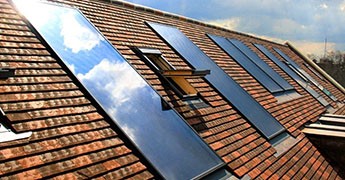
Solar water heating systems use solar panels, called collectors, fitted to your roof. These collect heat from the sun and use it to heat up water which is stored in a hot water cylinder. A boiler or immersion heater can be used as a back-up to heat the water further to reach the temperature you want – Energy Saving Trust
Both domestic and non-domestic solar thermal systems would be affected under new plans expected to come in effect in 2017.
In the consultation released last week (March 3) the Department of Energy and Climate Change (DECC) said “solar thermal has the highest tariff in the whole of the RHI and by this measure is the least cost-effective of the four technology types.” They added “when asked, around half of owner-occupier applicants said they would have it installed it anyway”
The DECC had been working on changes to the RHI since George Osborne’s Autumn Statement in November, where we announced how he pledged to extend RHI funding to £1.15 billion by 2021 and to enhance value for money by refining the program.
Solar Trade Association chief executive Paul Barwell expressed incredulity at the decision, stating that it did not make “any sense”.
“The government acknowledges the many benefits of solar thermal, yet proposes singling it out for the removal of financial support. With UK renewable heat deployment falling desperately behind target, government should be full square behind this technology as part of a strategic plan to permanently bring down heating costs for British families.”
“Discriminating against this globally important technology in the UK would send a terrible message to householders, and it would have very serious ramifications for the British solar thermal sector. Manufacturers of solar thermal equipment, including cylinder manufacturers as well as installers, risk a full scale winding-up of their sector. We are urging government to think again, particularly since sales enquiries are on the rise,” he said.
Solar thermal has very low running costs, does not need to be installed in a highly insulated house like many other energy saving methods and can be added to your existing heating systems with ease, making it very attractive option to those looking to save money.
With new changes to the Renewable Heat Incentive on the way, you’ll need to act fast if you want to make big savings and do your bit for the environment call Chris at Class Energy on 0113 400 1000 for free no obligation advice.
What Do Accreditations Really Mean?
It’s been another busy and successful couple of months here at Class Energy, with accreditations being awarded and exhibitions being well attended so we thought we’d fill you in on what we have been up to!
On the weekend of the 8th April we enjoyed networking, meeting people and promoting solar energy as we exhibited at The Living North show at the York Race Course. Keep and eye out on our social media accounts for up dates about where we’ll be exhibiting next- we’d love to meet you and say ‘hello’!
On the accreditation side of things, we are delighted to announce that we are officially an approved installer of energy efficient, money saving OkoFEN boilers. These modern pellet heating systems consume little resources, meaning that these sophisticated pieces of domestic heating technology are better for the invention. We’re passionate about biomass boilers here at Class Energy- and are quite skilled at installing and maintaining them too! Biomass boilers operate in virtually the same way as conventional gas, oil or LPG fired boilers, apart from the fact they run off a renewable, sustainable product. For more information on our biomass boiler installation services please click here.
As Class Energy proudly receive another accreditation, we thought you might want to know just how significant all these accreditation we keep telling you about are and what do they actually mean to you, the consumer.
Chris Cash MD of Class Energy explains what the different accreditation mean and how they are valuable in different ways to our customers.
“It is our philosophy that in general the longer it takes to secure the accreditation then the more valuable the accreditation in question is.
Take the HIES accreditation (Home Insulation & Energy Systems) contractors scheme, for example. They state that out of the companies that initially apply for the prestigious accreditation, over 60% do not get accepted following their quite rigorous assessment process.
HIES is more of an ombudsmen than simply an insurance backed guarantee company and, as such we believe it to be so much better for the customer.”
There are also the accreditations that companies like ourselves have to have in order to trade in a specific industry like MCS (Microgeneration Certification Scheme) and RECC (Renewable Energy Consumer Code) when installing renewable technologies. These are specifically there to ensure product quality and a consumer code of conduct.
Approval from respected organisations like SolarWorld is great, especially when a global company like LG are happy to have you as a partner-then you know your company is viewed upon very well!
Another type of accreditation sources are the self certification bodies such as NICEIC (National Inspection Council for Electrical Installation Contracting) and ELECSA, part of ECA (Electrical Contractors Association) when working with electrics. We also can’t forget FENSA (Fenestration Self-Assessment Scheme) which enables us to install our energy efficient windows.
CHASthe (Contractors Health And Safety) scheme, on the other hand, ultimately make companies take a closer look at their good or not so good existing health and safety policy and procedures and make them better which has to be good.
On top of all this, there is Trustmark ,which we believe the public are aware of, along with the Which Trusted Supplier scheme. With their credibility over the years, we reckon this scheme is definitely one we were happy to receive. We also have Checkatrade status along with Rated People that are becoming more popular with clients searching for products and services.”
It’s understandable that you want the very best service and skilled tradesmen when getting your solar panels, boiler or energy efficient doors and windows serviced or installed. If you have any questions about our accreditations please contact us and we’d be happy to answer any queries you have.